
The Alienist is more than gripping crime fiction: it is a novel rich in history, psychology, and moral complexity. This three-part series, originally written to celebrate the novel’s 20th anniversary in 2014, explores the themes that run beneath the surface of the book, from corruption and secrecy to the hidden lives of families and institutions. Each part illuminates a different aspect of the world Caleb Carr created, inviting readers to look more closely at the ideas that give The Alienist its depth and power.
Part One: History, Corruption, and Hypocrisy

The Alienist is, first and foremost, a historical thriller. In Part One of this series, we examine how Caleb Carr’s background as a historian shaped his approach to the novel, from his evocative portrayal of New York in the 1890s to his engagement with the emerging fields of psychology, psychiatry, and forensic science. The discussion then turns to the darker moral currents at work in story: the corruption and hypocrisy that underlies the motives of the team’s opponents and ultimately shapes the investigation itself.
Part Two: Society’s Secret Sins
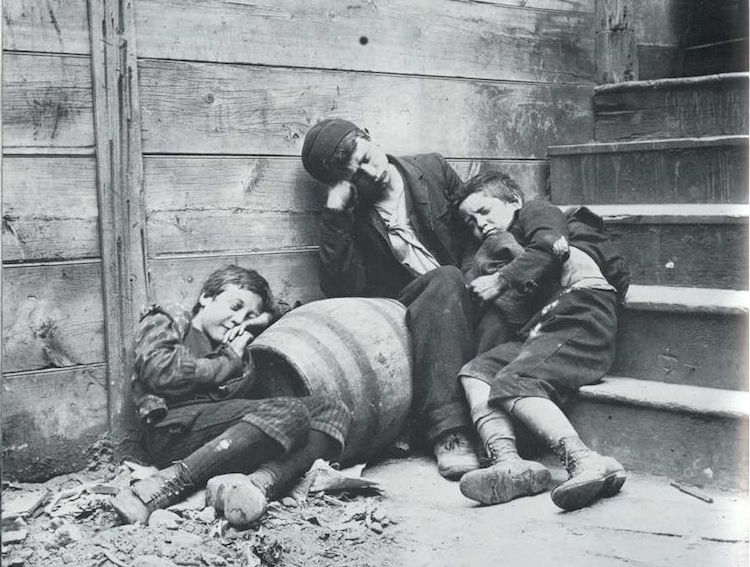
In Part Two, the focus shifts from public institutions to private lives, exploring the “hidden crimes” that unfold behind respectable façades. Echoing Dr. Kreizler’s warning that “we are all still running … away from the darkness we know to lie behind so many apparently tranquil household doors,” this essay examines how The Alienist confronts the moral failures of family and society — and how fear of exposure, rather than fear of guilt, drives that same society’s most dangerous alliances.
Part Three: More than One Type of Violence

To conclude the series, Part Three shifts to the deeply personal forces that shape the novel’s characters, from childhood trauma and domestic violence to the powerful influence of mothers in early life. Exploring the complex long-term impact of domestic violence and trauma, this essay invites readers to reconsider ideas about psychological determinism and the ways The Alienist challenges us to think differently about mental health.