
In the afterword to the 2006 trade paperback edition of The Alienist, Caleb Carr wrote: “Like most wonderful and terrible things, The Alienist was never supposed to happen.” To understand why this was the case, this five-part series offers a retrospective on the extraordinary life of the novel, both before and after it found its way into the world. Originally written to mark The Alienist’s 30th anniversary in 2024, the series traces the book’s passage from its earliest surviving copies through its critical reception, expansion into film, and lasting influence it has exerted on historical thrillers three decades on.
Part One: The Journey to Publication
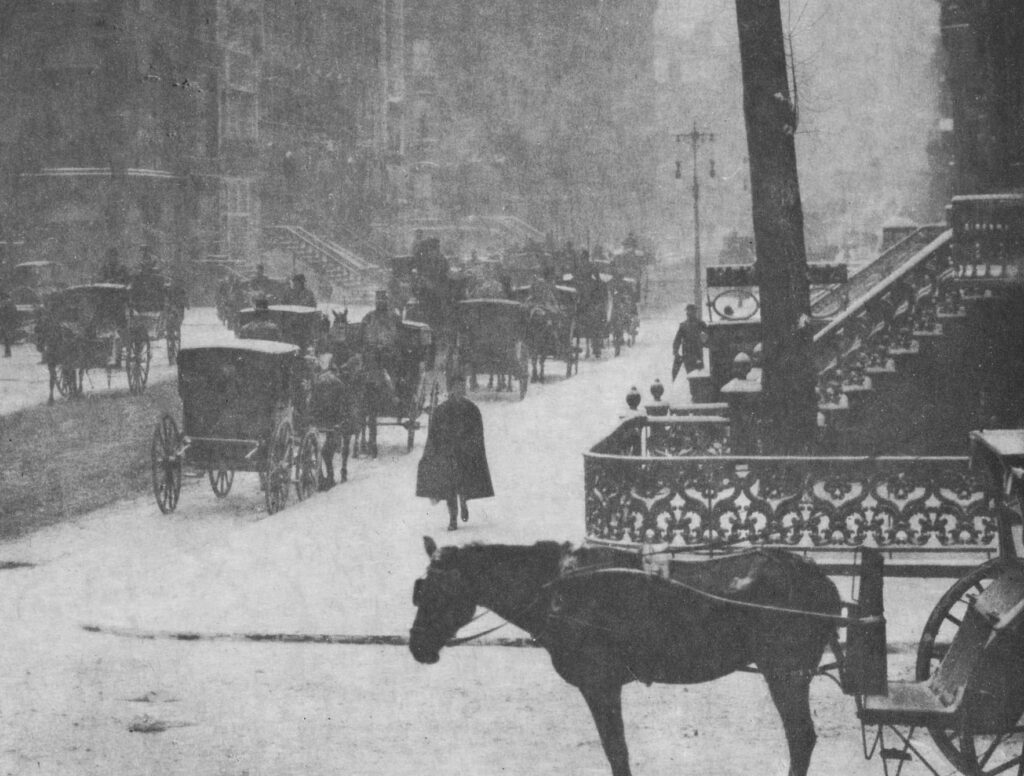
Part One explores The Alienist’s unlikely beginnings, when Caleb Carr made the bold decision to move from nonfiction into fiction and devised an ingenious ruse to convince his agent and editor to support the leap. Featuring rare glimpses of the book’s earliest forms — including a photocopied typescript, an uncorrected proof, and an advance reader copy — this essay offers an intimate examination of how The Alienist began its journey, long before it reached bookstore shelves and became the phenomenon we know today.
Part Two: A Bestseller is Born
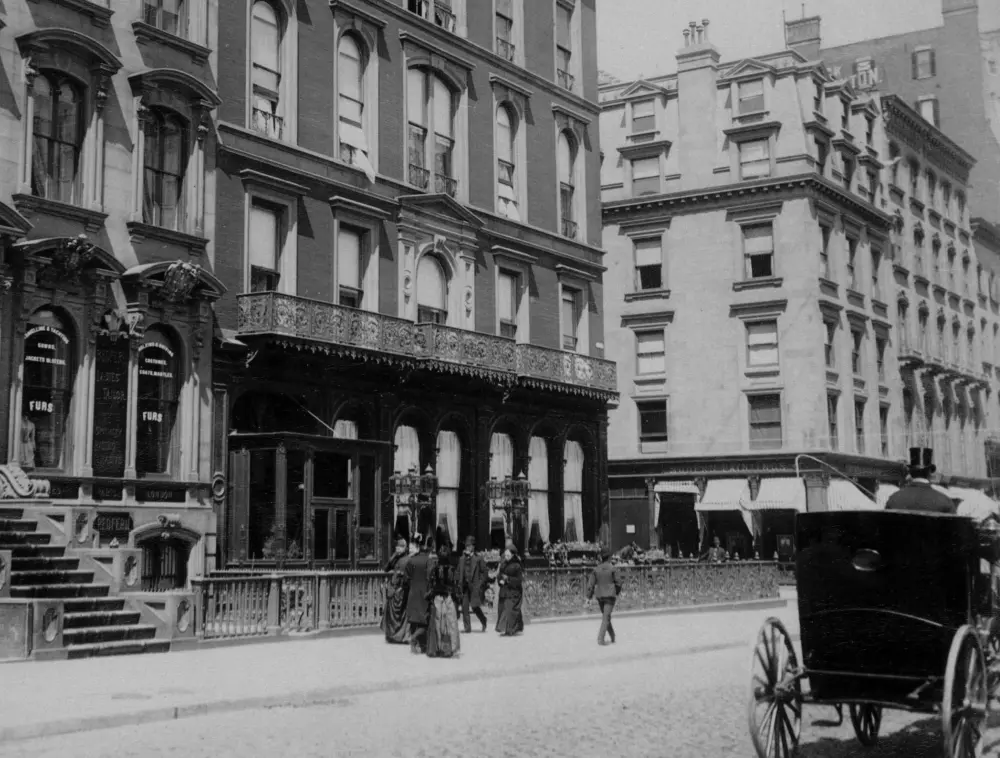
When The Alienist made its debut in March of 1994, it quickly became both a critical and commercial sensation, spending months on the New York Times bestseller list and establishing Caleb Carr as a major new voice in historical thrillers. In Part Two, we chart the novel’s rise to prominence and trace how success at home opened the door to an extraordinary life abroad. From foreign rights sales to a million-dollar paperback deal and a succession of special and anniversary editions, this essay follows The Alienist as it evolved from breakout bestseller to an enduring modern classic.
Part Three: From Page to Screen
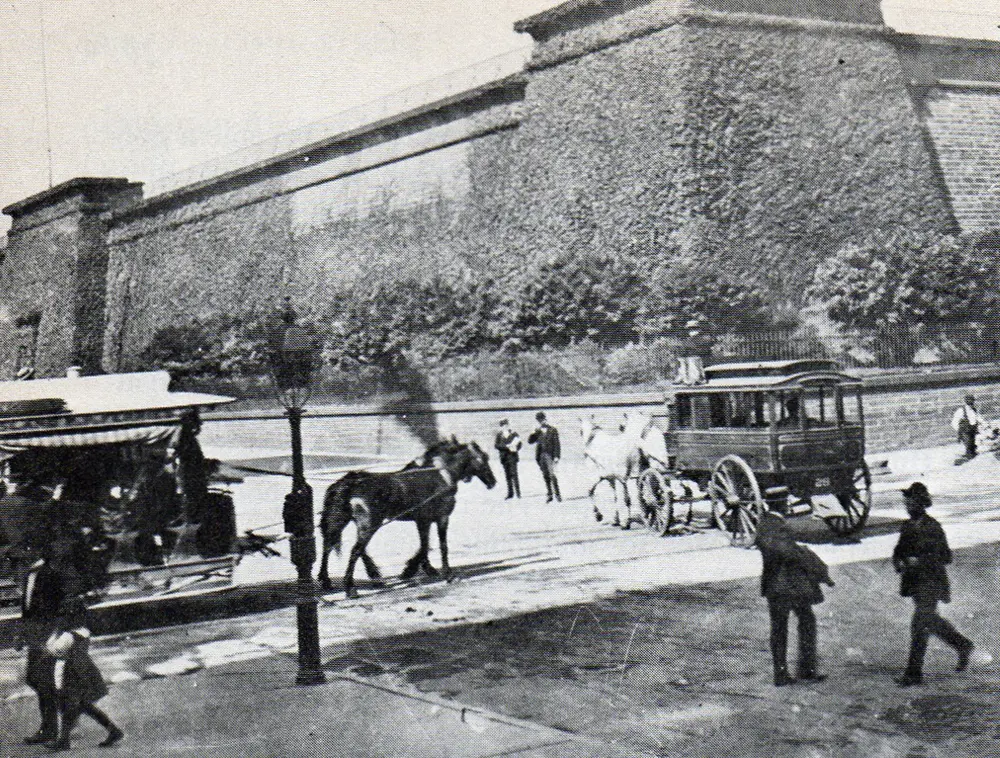
Even before publication, The Alienist was the talk of Hollywood. Soon after the manuscript was turned in, interest in purchasing the film rights was high, with producer Scott Rudin ultimately making the winning bid of half a million dollars. In Part Three, we explore the long and complicated journey that followed, as the novel moved through years of abandoned scripts and shifting creative teams. With rare photographs of a beautifully bound early screenplay providing an intriguing window into one of the many attempts to adapt the novel, this essay sheds light on the creative and practical challenges of taking The Alienist to the screen.
Part Four: A Sequel is Called For
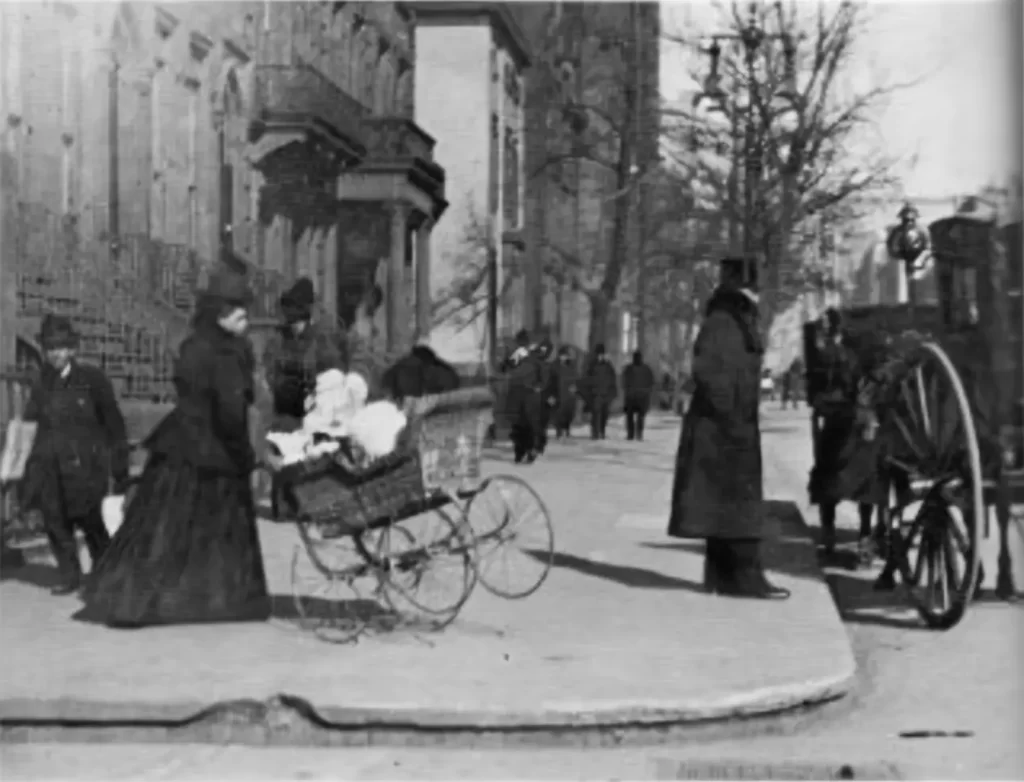
It should come as no surprise that the phenomenal success of The Alienist paved the way for a second book in the same universe of 19th century New York. In Part Four, we examine how the success of The Alienist led to the publication of its sequel, The Angel of Darkness — another instant favorite that went on to spend eleven months on bestseller lists. After learning what inspired Caleb Carr to shift narrative focus to Dr. Kreizler’s ward and former street kid, Stevie Taggert, this essay offers a fascinating look at the novel’s earliest forms, including a selection of uncorrected proofs (one of them extremely rare), an advance reader copy, and the range of first and special editions released in the U.S. and abroad.
Part Five: Translations and Legacies
Perhaps one of the best markers of a novel’s success is how widely it has been translated, and The Alienist is no exception, having appeared in more than two dozen languages. In Part Five, we begin by exploring some of the striking cover designs created for these international editions before turning to the novel’s ongoing legacy. Along the way, this essay addresses one of the most frequently asked questions here at 17th Street — whether the series will ever be continued — and considers how Caleb Carr’s final novel, Surrender, New York, shares key thematic threads with the Alienist books and directly engages with the trailblazing ideas of Dr. Kreizler.