 In a recent interview with Entertainment Weekly regarding his latest production Beasts of No Nation, Cary Fukunaga shared some interesting details about how his role as director for The Alienist TV series might play out. Commenting on the lengthy preparation time the series’ “hundreds of pages” of material would require (as opposed to the “100 or 110 pages of material” required for a typical feature film), he explained: “If I were to direct the whole thing, I would probably break it up into two or three parts, almost as if it was two or three movies, and then prep them in that way.” Given the need for such a pre-production, he went on to state that he has considered taking on a “directional partner” so that they “could hop-scotch and help each other out and really approach it in the same spirit of a film, which is collaboration. They’re equal with you in terms of executing it.”
Having directed the eight episode series True Detective solo, EW reports that this would be the first time Fukunaga has ever taken on a directional partner, so such a move would certainly be an interesting development. Whether such a step is taken, however, will largely depend upon the scripts that are turned in, and Fukanaga’s bosses are also said to prefer his tackling the show on his own as well.
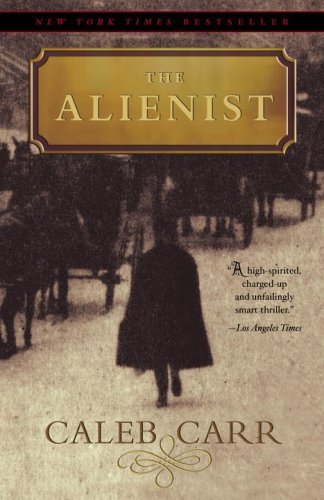
Cary Fukunaga’s full comments can be found at the Entertainment Weekly article. You can also catch up on prior developments regarding the series at 17th Street’s TV series page, or by perusing The Alienist TV series tag here on the blog.
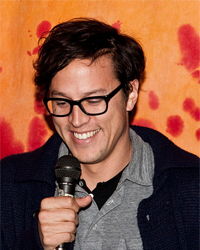
Photo Credit: “Cary Fukunaga2009” by Johan Gunnarsson – Flickr: Cary Fukunaga. Licensed under CC BY 2.0 via Wikimedia Commons.